About Oxfam Festivals
In 2026 we:
33 Years of Stewarding
We provided our first volunteer stewards at Glastonbury Festival in 1993. Since then, we have grown to be the largest stewarding operation in the country, deploying thousands of stewards to over 35 events each year.
Oxfam’s festival stewards play a crucial role in ensuring the smooth running of festivals, providing friendly and professional support to festivalgoers and organisers. In exchange for their time, festivals pay Oxfam for each steward's hours worked.
In 2026, this commitment raised an incredible £1 million, a record-breaking amount for a fallow year!
From high streets to festival fields
Oxfam opened its very first permanent charity shop in Oxford in December 1947, making it the first permanent charity shop on a British high street.
In 1994, we took our very first pop-up festival shop to Glastonbury Festival. Since then, Oxfam’s festival shops have become a familiar sight at events across the country, giving festivalgoers the chance to shop second-hand, discover unique finds and support a more sustainable way to enjoy festival fashion.
In 2026, our dedicated shop volunteers worked across 11 festivals, raising an outstanding £280,000 to fund Oxfam’s work.
Not only did our shops help raise vital funds, but they also had a positive environmental impact. By promoting second-hand shopping and encouraging festivalgoers to choose pre-loved items, we saved 6,118kg of clothing and goods from ending up in landfill.
Breaking the Silence
Oxfam has been campaigning for change since we were founded in 1942. Like us, the history of festivals is rooted in activism so when we started working with festival it made sense that we would bring our campaigning there too.
This year, our campaigners broke the radio silence, bringing hidden humanitarian crises in Sudan, Congo, Palestine and Yemen to the fore.
34,257 festivalgoers signed up to hear more, gaining access to an online hub that tells the stories the media aren’t, and provides simple ways to take action.
Festivalgoers also took part in our milaya project, adding their embroidery to a collaborative, South Sudanese inspired milaya tapestry, bringing people together for a moment of craftivism.
Since then, many of the festivalgoers engaged by our campaigners have gone on to become Oxfam supporters, expanding the impact beyond the festival field.
Impact Beyond the Fields
About Oxfam's Work
Oxfam believes that poverty is an injustice that can and must be overcome – so everyone has the power to thrive, not just survive.
We believe that by standing together with communities around the world to speak out against injustice – working in the toughest places on earth and tackling the inequalities that exacerbate poverty – a kinder and radically better world is possible.
Last year, Oxfam and partners supported 9.8 million people around the world to fight poverty. By responding fast when an emergency hits, funding long-term development work, and campaigning and putting pressure on world leaders to tackle the injustices that cause poverty.
Salahuddin Ahmed/Oxfam
Impact in Action: Tahera in Bangladesh
In Cox’s Bazar, Bangladesh, home to the world’s largest refugee camp, over 1.2 million Rohingya refugees and local communities face food insecurity and limited resources.
Oxfam has worked in the area for over 50 years, reaching more than 360,000 people through local partnerships and essential programmes.
Today, we’re supporting refugee and host families to grow their own food through garden kits, seedlings, materials and training, helping improve nutrition and create sustainable sources of income.
“"I don't have to buy vegetables from the market anymore. I can provide for my family myself"”
Salahuddin Ahmed / Oxfam
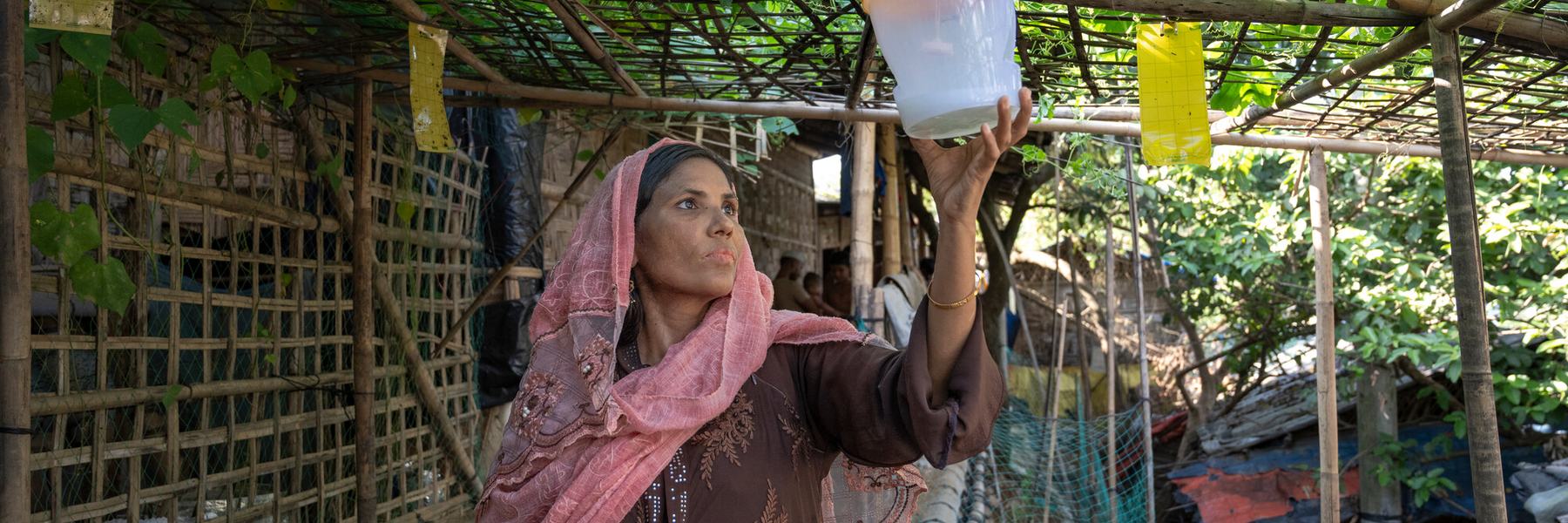
After fleeing Myanmar, Tahera, a Rohingya refugee and mother of seven, arrived at a camp in Cox’s Bazar. Missing her vegetable garden and determined to stay productive, she embraced the opportunity to receive a vertical gardening kit and training through Oxfam and local partners.
Through these programmes, Tahera learned how to grow vegetables on the roof and walls of her shelter, even creating a bamboo pergola between houses that provides extra growing space and much needed shade for the community.
Today, Tahera can feed her family, share surplus crops with neighbours, and enjoy a renewed sense of independence.